Quick Answer: How Can You Tell If a Log Cabin Is Starting to Rot?
The earliest signs of rot in a log cabin include soft or spongy timber, dark patches, peeling paint or wood treatment, persistent dampness, musty smells and small cracks around joints. You may also notice timber becoming discoloured or losing its natural strength. Identifying these changes early can help prevent structural damage and costly repairs.
Introduction
A log cabin is designed to provide a durable and attractive outdoor space, but like any timber structure, it needs regular care to remain in good condition. Exposure to British weather, particularly prolonged rainfall, humidity and poor ventilation, can gradually affect the quality of the wood.
One of the most important maintenance issues to watch for is wood rot. It often develops in areas where moisture becomes trapped, making it easy to overlook until visible damage appears. Whether your cabin is used as a garden office, guest accommodation, workshop or leisure space, recognising the warning signs can help protect your investment.
In this guide, we explore the early indicators of timber decay, why it happens, how to assess the damage and what steps you can take to keep your log cabin protected.
1. Soft or Spongy Timber
One of the most recognisable early signs of wood rot is timber that feels unusually soft or spongy. Healthy wood should feel firm, whereas decaying timber may give way when gentle pressure is applied.
Pay particular attention to the lower wall logs, floorboards, door frames and areas close to the cabin’s base. These sections are more likely to experience prolonged contact with moisture.
You may also notice that a screwdriver or similar tool penetrates affected timber more easily than expected. Avoid forceful probing, particularly around structural components, as weakened wood may already have lost considerable strength.
2. Dark Patches and Discolouration
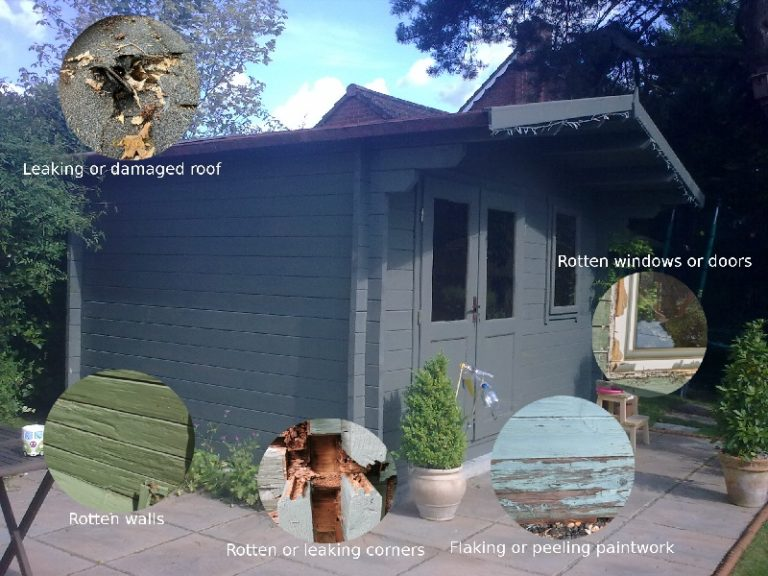
Changes in the natural colour of timber can indicate moisture exposure or fungal activity. Rotting wood may develop dark brown, blackish or sometimes lighter, bleached patches, depending on the type of decay.
Look for uneven colouring around log joints, corners, windows, doors and the bottom edges of external walls. Water stains on interior walls can also suggest that rainwater is entering through gaps or damaged external sections.
However, discolouration alone does not confirm rot. Timber can become stained simply because it has been wet. The important step is to investigate whether the wood remains damp or has started losing its structural integrity.
3. Cracking, Splitting and Warping
Timber naturally expands and contracts as moisture levels and temperatures change. However, unusual cracking, distortion or deep splitting may indicate a more serious problem.
Watch for:
- Deep cracks or splits developing across timber logs.
- Logs becoming distorted or separating at their joints.
- Floorboards beginning to lift, buckle or feel uneven.
- Doors and windows becoming difficult to open or close.
Some surface cracks, known as timber checks, are a normal feature of natural wood. However, upward-facing cracks can collect rainwater and increase the risk of decay. Cracks that allow water to penetrate the logs deserve particular attention.
4. Peeling Paint and Failing Wood Treatment
Protective coatings help prevent rainwater from penetrating timber. When paint, stain or preservative begins peeling, blistering or flaking, the exposed wood becomes more vulnerable to weather damage.
Inspect the external walls, roof trims, window frames and door surrounds. Repeated coating failure in the same location could indicate that moisture is entering the timber.
Remember that peeling paint does not automatically mean the wood underneath has rotted. It may simply be wet. Nevertheless, investigate the cause, allow the timber to dry and restore the protective finish using a suitable exterior wood treatment.
Regular log cabin maintenance can help identify deteriorating protective finishes before they develop into more expensive problems.
5. Musty Smells and Visible Fungal Growth
A persistent damp, earthy or mushroom-like smell inside your cabin can indicate excessive moisture and possible fungal activity.
You might also notice white, grey or cotton-like fungal growth on timber surfaces, particularly in darker areas with limited airflow. Some forms of dry rot can produce distinctive orange or rust-coloured fruiting bodies.
Do not assume that visible mould and wood rot are the same thing. Surface mould may indicate damp conditions without necessarily causing structural timber decay. However, both deserve attention because they can point towards an underlying moisture problem.
If fungal growth appears alongside soft timber, deep cracks or persistent dampness, arrange a professional inspection.
6. Rotting Around the Cabin Base and Floor
The bottom section of a log cabin is particularly vulnerable because rainwater can splash against the walls, while moisture may rise from an inadequately protected base.
Common warning signs include:
- Dark or deteriorating bottom wall logs.
- Soft or discoloured floorboards.
- Bouncy flooring caused by weakened floor bearers.
- Damp patches near the floor perimeter.
- Timber sitting too close to soil or standing water.
A poorly installed base or missing damp proof membrane (DPM) can make matters worse. A correctly installed damp proof membrane for log cabins helps prevent moisture from reaching vulnerable floor components.
What Causes Rot in a Log Cabin?
Wood rot develops when fungi have suitable conditions to break down timber. Persistent moisture is the main contributing factor, although temperature, ventilation and the type of wood also influence the process.
Some common causes include:
Poor drainage: Water collecting around the cabin or running underneath the structure can keep timber damp.
Missing guttering: Rainwater falling directly from the roof can splash against the bottom logs, gradually increasing moisture exposure.
Inadequate ventilation: Restricted airflow prevents damp timber from drying properly, creating favourable conditions for fungal decay.
Damaged roofing: Cracked shingles, leaking felt or faulty roof coverings can allow water to enter the cabin.
Insufficient timber protection: Weathered or untreated external surfaces are more exposed to rain and moisture penetration.
Addressing these issues early is essential. Simply applying a fresh coat of paint over damp timber will not solve the underlying problem.
How to Prevent Rot in a Log Cabin
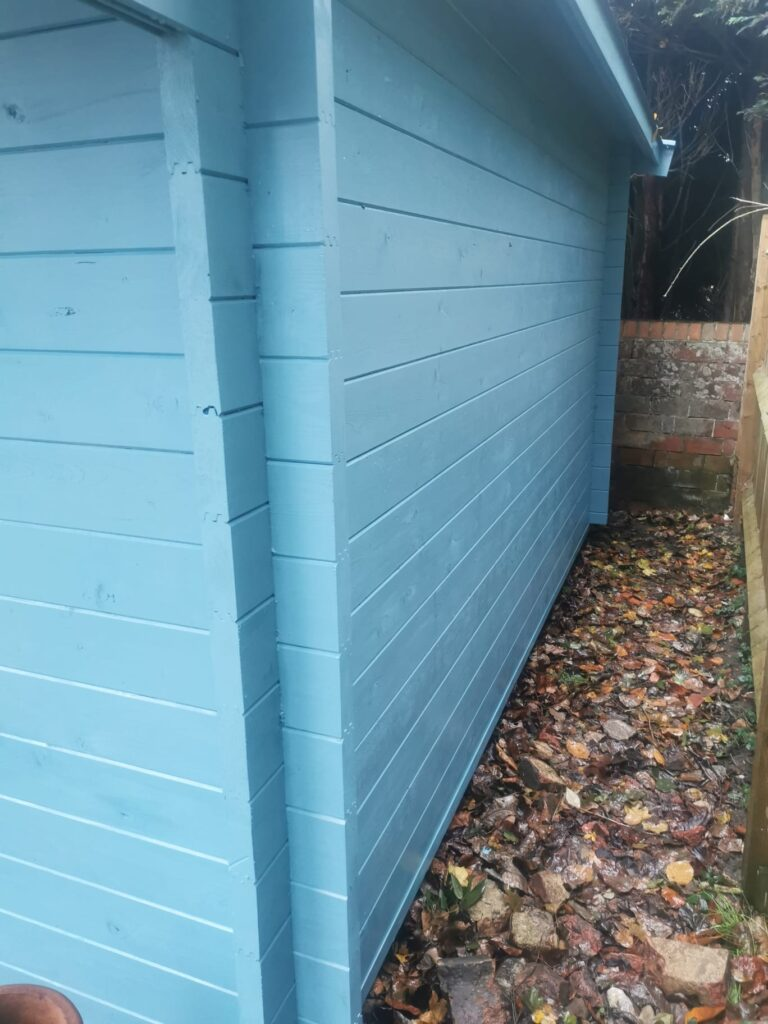
Prevention is generally more straightforward and affordable than repairing extensive timber decay. A consistent maintenance routine can significantly reduce the risk.
Here are five practical steps:
- Inspect the timber regularly: Check the walls, corners, roof edges, floors and window frames, paying particular attention to areas exposed to rainfall.
- Keep water away from the structure: Install suitable guttering, maintain drainage and avoid allowing rainwater to collect around the cabin.
- Maintain protective coatings: Apply a suitable exterior wood preservative or treatment according to the manufacturer’s instructions.
- Improve airflow: Keep vegetation away from external walls and avoid storing items directly against the timber.
- Protect the foundation: Ensure the cabin has a suitable, level base with appropriate damp protection and adequate clearance from surrounding soil.
For additional guidance, explore these ways to protect a log cabin against the weather.
Can a Log Cabin Be Repaired If Rot Has Already Started?
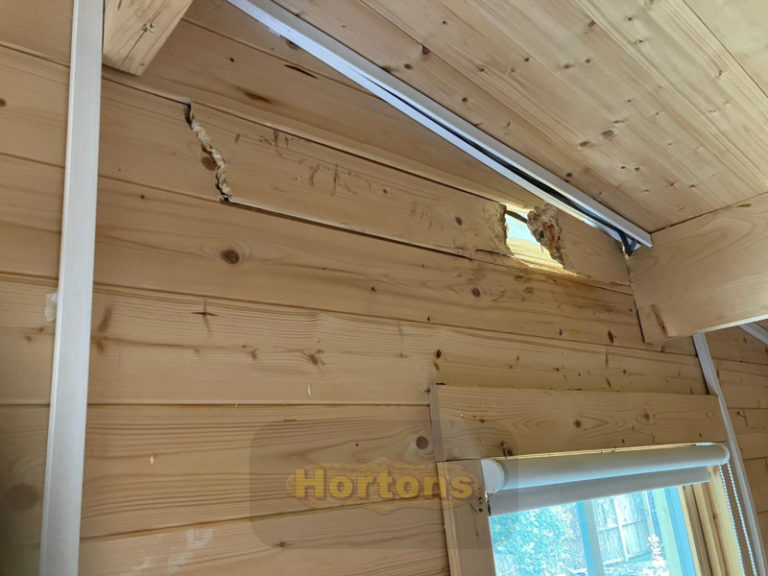
Yes. In many cases, a log cabin can be repaired without replacing the entire structure. The appropriate solution depends on how far the decay has spread and whether the affected timber is structural.
For minor, localised damage, repairs may involve removing decayed material, replacing small timber sections and restoring the protective finish. However, badly weakened wall logs, floor bearers or supporting components may need professional replacement.
It is equally important to identify and resolve the original moisture source. Otherwise, replacement timber could eventually suffer the same problem.
Specialist repair methods can sometimes allow an existing cabin to be lifted evenly so that rotten bottom logs, floor bearers or damaged sections can be replaced without dismantling the entire building.
Professional log cabin repair and restoration services can help determine whether targeted repairs or more extensive restoration are appropriate.
If you are unsure about the condition of your building, a professional log cabin inspection can help identify hidden problems and establish which areas need attention.
Frequently Asked Questions About Log Cabin Rot
1. What Are the Early Signs of Wood Rot?
Early signs include soft or spongy timber, dark patches, peeling protective coatings, unusual cracks and persistent musty smells. Check areas exposed to rainwater and timber close to the ground.
2. What Is the Average Lifespan of a Log Cabin?
A well-built log cabin can last several decades, with some lasting 20–30 years or considerably longer. Its lifespan depends on timber quality, installation, drainage, weather protection and consistent maintenance.
3. How Do You Repair a Log Cabin with Some Rot?
Start by identifying and eliminating the moisture source. Remove and replace affected timber where necessary, check surrounding structural components and apply suitable protective treatment once the wood is dry.
4. Can Dry Rot Go Away on Its Own?
No. Dry rot will not reliably disappear without intervention. The moisture source must be eliminated, affected timber assessed and appropriate remedial work completed to prevent further deterioration.
5. How Can You Prevent Wood Rot in a Log Cabin?
Keep the cabin dry through effective drainage, guttering, ventilation and regular timber treatment. Inspect the roof, base, walls and joints routinely to identify potential problems before they become serious.
Conclusion: Protect Your Log Cabin Before Rot Becomes a Bigger Problem
Wood rot does not usually develop overnight. It is often the result of prolonged moisture exposure, inadequate ventilation or neglected maintenance. Recognising early warning signs such as soft timber, discolouration, cracking and persistent dampness can make a significant difference to the condition and lifespan of your building.
Whether your cabin needs a routine inspection, replacement of rotten logs, floor repairs or more extensive restoration, taking action early can help you avoid unnecessary replacement costs.
At UK Log Cabins, we offer professional inspection, repair, maintenance and improvement services to help keep existing timber buildings in good condition.
Concerned about rot in your log cabin? Contact us now to discuss your requirements, arrange an inspection or get advice on suitable repairs.
Call: 01403 888222